XVIVO Blog

A peek into our “Inner Life” story

Posted June 19th, 2013 by

As we get closer to our much-anticipated weekend at the Googleplex for some Sci Foo Camping fun, we’re reminded of the journey we’ve taken over the past few years that has brought us into notice both at home and abroad. Given our blossoming adolescence, we think its time to get a little nostalgic, give thanks to our influences, and remember everyone that was with us along the way.

Our biggest break probably came in 2007, when we were honored with the chance to speak at the esteemed TED conference about the philosophy behind our work. Held yearly on the West Coast, TED has become one of the most regarded events for its multidisciplinary and innovative approach at sharing new or underrepresented ideas. It was here, on a big stage in front of the largest crowd we’ve yet to encounter, that we debuted a 3-minute clip from our now-popular The Inner Life of the Cell, and made a statement about the artistic and educational potential realizable through scientific animation. In our brief 9-minute session, we discussed ideas regarding truth and beauty, and ruminated over the saddening, yet ubiquitous irreflective attitude we tend toward subjects outside our own fields of interest. We conjectured that this habit of presenting things as dry and void of profundity distances us from one another, and results in a miasma of cultural insensitivity.

Inner Life was the first installment for a series of shorts for Harvard College’s department of Molecular and Cellular Biology – a project on which we are still actively working on. While we had already managed to gain the attention of people within the science and medicine industry, it was really at TED where our whispers were given the chance to reach more varied ears.

Since TED, we have had the luxury of working with a host of brilliant people in developing compelling visuals to enhance their message and vision for a better future. For Seth Berkley, medical epidemiologist and CEO of the GAVI Alliance, we create a short visualization of the HIV and flu viruses to illustrate the complexities of their biology. Dr. Berkley discussed the advances we’ve made toward a more thorough understanding of these terrible diseases, and gave us a glimpse into a future where millions of unnecessary deaths could be avoided each year.

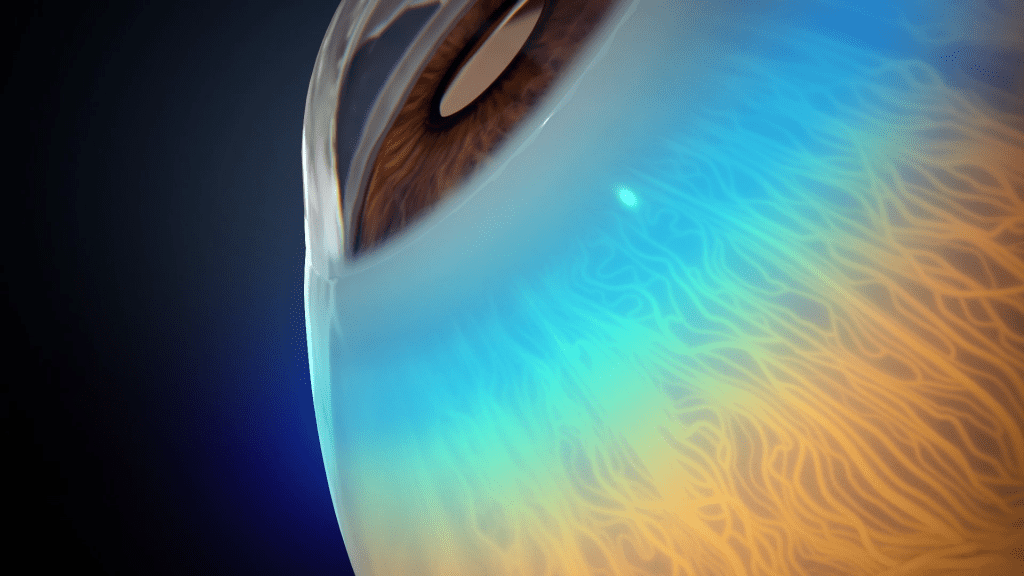
We have also had the chance to involve ourselves with more specialized TED groups, namely TEDMED, a conference devoted specifically toward thoughts on medical technology and healthcare. For Sheila Nirenberg, investigator at Cornell University, we helped elucidate the potential for reversing blindness through the use of sophisticated microchip prosthetics. And for Danny Hillis, we designed some short medical illustrations to depict new directions being undertaken in cancer treatment.

One of our most exciting projects actually came in the form of an art installation, which is currently being housed at Chicago’s own Museum of Science and Industry. In collaboration with a handful of amazing companies, we helped develop a gigantic interactive heart. This 13-feet high, 8-feet wide, 2-and-a-half-D beast of an organ is able to sync to your own pulse, and reveal to you the inner and outer workings of your heart. We firmly believe in the role of great art in education, and it was a blast to get to play a part in this installation.

Naturally, as an medical animation studio, our primary job is to enhance visions. Through our visuals, aimed at tearing down walls of jargon, we hope to inspire fellow thinkers and doers alike, and let others know beauty can be found even in the most unlikely places. This was just a brief run-down of some of our work and history, and we hope you’ve enjoyed getting to know us! Feel free to leave comments, tell us a bit about yourself, and let us know what you think.

Follow us on Twitter and Facebook for medical media updates and fun!

Leave the First Comment »

Why we’re wired about WIRED UK.

Posted June 14th, 2013 by

Maybe it’s the fact that we’re always working in the virtual world, but we’re always pleased and flattered when our work is recognized (it turns out that the submicroscopic forms of life that we tend to focus on aren’t so good at passing out compliments – go figure).

So yep, having Wired UK (basically, the techno-nerd’s bible) do an amazing 8-page centerspread that called XVIVO innovators in the field of scientific visualization was a real big deal for us. The article centered on some of the biologic processes that inspire our work, including cell development, how drugs move around the body and cause things to happen, and the delicate chemical harmony that operates in the background in all living things.

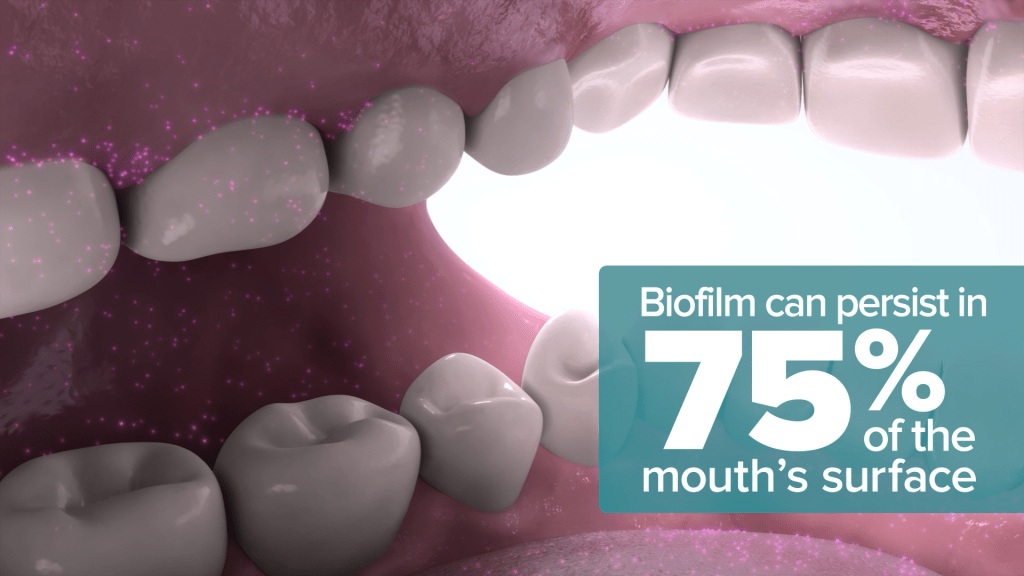
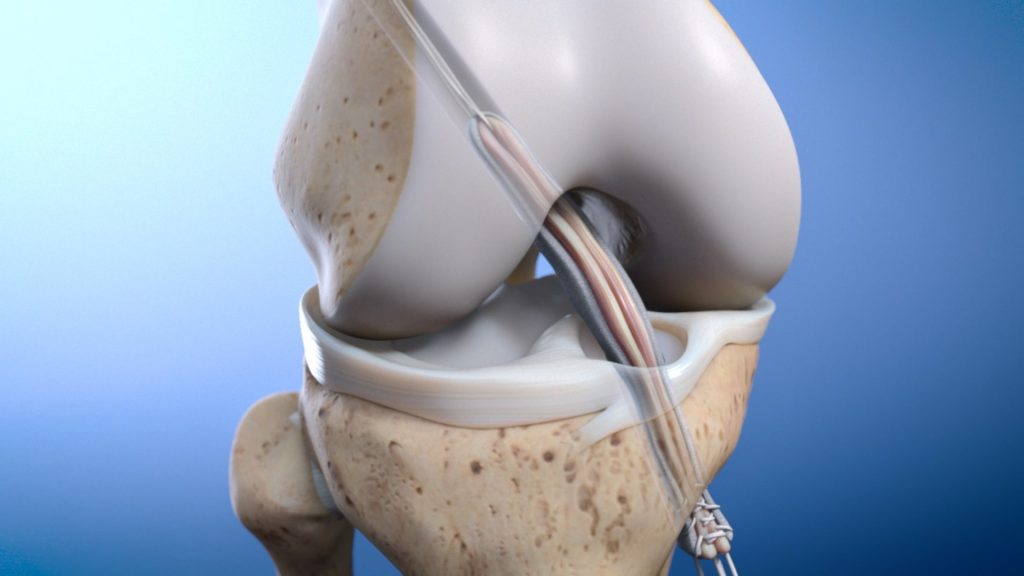
If you’ll allow us to brag just a bit – we like to think that our high resolution renders, insistence on accurate molecular depiction, and signature color schemes are some of the things that make our work immediately recognizable. We work hard to produce quality animations, (in the past, we’ve gotten noticed by the New York Times and StudioDaily), and you may find our work in classrooms inspiring students, in offices educating clinicians, or decorating the screen on your computer, tablet or smartphone with our beautiful wallpaper images.

XVIVO is based in the U.S., but we work with clients in Turkey, France, the UK, the Netherlands, Germany, Switzerland, and New Zealand. The article in Wired UK is proof to us that what we are doing is attracting attention on the global stage, and we could not be more excited about that. Expanding into all these new markets helps us stretch our own horizons and (we hope) become even more creative.

Here at XVIVO, it is our belief that true innovation and progress exist where fields of study collide. We are constantly working to bring artistic sensibilities into science, or to infuse hard data into wild and colorful imagery. This isn’t just for eye-candy’s sake – studies have shown that computer animations can significantly enhance understanding of complex concepts.

We would just like to extend our thanks to Wired UK for taking the time to recognize us and hope that you all enjoy our work.

So get your hands on the May 2013 Edition of Wired UK and check out how we’ve caught the eye of the techie’s magazine of choice. In case you can’t get a physical copy (or the link stops working), here are some of the images that Wired showcased, as well as some quotes from the story.

The Connecticut-based animation studio XVIVO brings our biology to life through high quality visualizations, writes Madhumita Venkataramanan. “Scientists often have complex stories to tell, and we help them to simplify these through animation and images,” says Michael Astrachan, President and founder of XVIVO. “We just finished an animation for the US National Institutes of Health to clarify what ‘extracellular RNA’ is,” Astrachan says. This recently discovered family of molecules is similar to DNA but is found outside of the cell it was synthesized in, and is thought to play a role in communication between cells. “The NIH wanted to entice more researchers to apply for grants in the area and study it closely.”

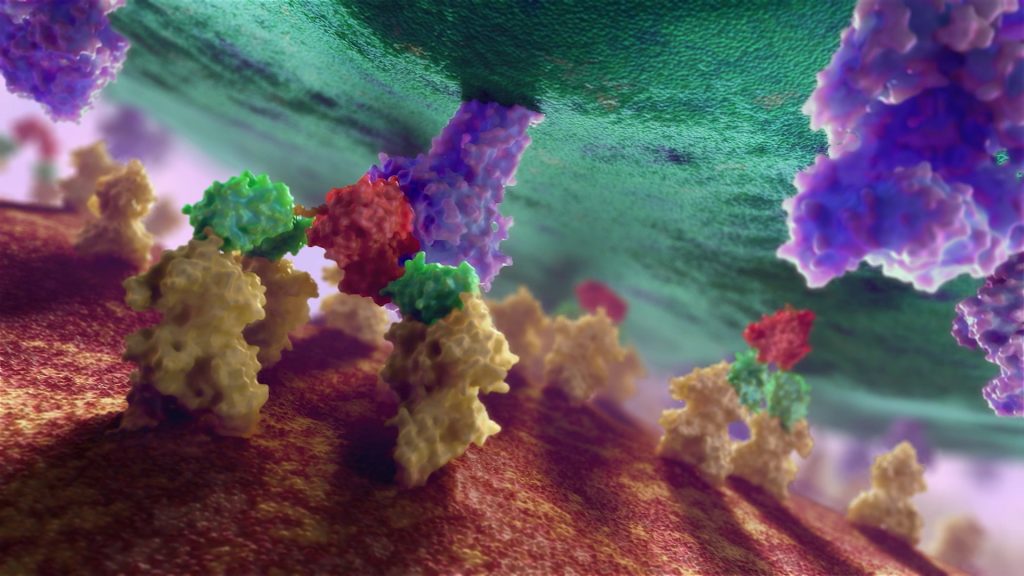
XVIVO references various materials including medical illustrations, electron micrographs and photos to create its work. “Although we use real data, there is no visible color at the microscopic scales we look at,” says Astrachan. “So, to convey the beauty in science we get to make up the colors.” Astrachan, who trained as an artist, taught himself 3D animation in 1998, Three years later he cofounded XVIVO, which now has a staff of ten artists, producers, illustrators and designers who work on a dozen projects at a time. “For me, animation speaks the language of art, it is just a different canvas,” Astrachan says. “I want to use my knowledge to help move the vision of scientists forward.”

Follow us on Twitter or Facebook for more up-to-date stuff!

Leave the First Comment »

XVIVO in Wired UK

Posted April 7th, 2013 by

Wired UK has just published an 8 page splash showcasing XVIVO’s medical animation. The editors of Wired UK are big fans of our work and our inspirational and educational medical animations were ideal for their visual storytelling. We have not seen it yet (still waiting for our copies to cross the Atlantic), but Ben Miles @BenNMiles just tweeted one of the images…Enjoy!


Leave the First Comment »

How do you get kids excited about medical animation?

Posted April 1st, 2013 by

How do you get kids excited about medical animation? That was the question I was asking myself ten minutes before one hundred 4thand 5th graders were about to pile into the gym in Raleigh, North Carolina for my presentation.

So why wasn’t I prepared?

Well I was originally just slated to just give a keynote at the end of the day at NC State (Hosted by: The Department of Materials Science and Engineering). But Andrew Vinal and his wife Barbara (my awesome hosts) had more ambitious plans for me. :-)

After they picked me up at the airport they said, “How about we stop by the grammar school and you can present to a group of elementary school students and show them what you do?”…Well why not I thought, although I had no idea how I would handle it.

So there I was with young eyes staring up at me and it struck me…I did know how to get kids excited about medical animation. I stepped forward and said “Who likes to draw!?” Twenty hands excitedly popped into the air. “What do you like to draw” I asked as I pointed to a bespectacled girl in the front row. “Trees, flowers, animals” she said. I pointed to the next student, “And you?” “Cartoons” he confidently replied. And on it went… monsters, horses, people…every child proud to share what they draw.  They were now hooked, and I was free to share what I do. “Well, I said, I like to draw what’s on the inside of our bodies… you would need a microscope to see what I draw”…and then I showed them our “Inner Life of a Cell”

When it ended the gym was filled with applause! These kids were hooked and I could start to see inspiration bloom and to take hold. I quickly took them back through the video and explained to them what a kinesin molecule does, what a cytoskeleton is, how the golgi apparatus works. More hands were raised, “what was the blue thing” they asked, and “what was the twisty stick thing that broke apart in the beginning?” On it went. I showed more of our work and explained how we have scientists, artists, writers, producers, musicians and mathematicians all working together to create these medical animations and illustrations.

I finally ended the presentation by drawing for them what I liked to draw when I was their age…Dragons!

At the end of my talk dozens of the kids ran up for my autograph, one handed me a paper clip sculpture she was working on during my talk, and several said, “When I grow up, I want to do what you do!”  I said, “If you really want to… keep drawing, work hard, and one day I hope to be inspired by your animations!”

m

Leave the First Comment »

XVIVO’s Wallpapers Showcased by medGadget!

Posted February 18th, 2013 by

Refresh your screens With XVIVO’s background wallpaper images!

We recently released a bunch of medical media wallpapers and we are very excited to be showcased on medGadget.

Refresh you screen with the link below…

http://www.medgadget.com/2013/02/refresh-your-screens-with-xvivos-background-wallpapers.html

Leave the First Comment »

Get Your Own XVIVO Wallpaper Images

Posted February 7th, 2013 by

We all have wallpaper on our computers. Some people enjoy kittens, others wide open vistas, but for those who appreciate the sublime beauty of the microscopic realm displayed on their screens… XVIVO has released wallpapers of our medical animations just for you. Enjoy!

 XVIVO Wallpaper Images

Leave the First Comment »

Lead animator Brett Murrah wins the coveted “LightWave Power Artist Award”

Posted November 27th, 2012 by

After research, client conferences and consultations with medical experts XVIVO’s animators set to the task of developing the stunning creations that bring our client’s science stories to life.

Lead animator Brett Murrah, who just won the coveted “LightWave Power Artist Award” discusses the processes, philosophy and tools that have made XVIVO a trusted resource for our clients over the years. Read the full story at LightWave 3D’s blog or click the image below.

Leave the First Comment »

Serving the Sophisticated patient

Posted September 14th, 2012 by

 Direct to Consumer education

We’ve blogged about the importance of explaining complex ideas in simple, visually compelling ways. When it comes to bringing novel medical products to market, explaining their necessity, safety and efficacy to regulators and HPCs is essential. But once a product is on the market, there’s another integral phase on the path to mass adoption: consumer education and outreach.

The fundamentals of direct to consumer outreach has remained fairly consistent over the past decades: inform patients of the risk and benefits of a medical innovation and encourage them to discuss the option with their physicians. While the communication goals are the same, the far-reaching changes brought about by the Internet and social media have changed how these messages are communicated.

But something else has changed. Patients have matured as our digital world has expanded.  We now encounter many more sophisticated patients who expect to research, review and interact with a product or brand.

Medical Animation – More than just Molecules

Over the past twenty years patients have made it clear that they want to take a more active role in their treatment, and the medical industry has been very keen to accommodate.

Educated patients are better prepared to work with their HCPs to manage their care.

XVIVO is proud to be a part of that education process through our work developing medical animations for clients.

It has been XVIVO’s pleasure to work with medical innovators to help educate patients on what a product is, why it is needed, how it works, and how it may affect their day to day of life. An animation of this type has to be both accessible and accurate. Meeting that challenge is what inspires the XVIVO team every day.

Learn more about our work with Prevention Pharmaceuticals to educate consumers on their product Omax-3.


25 Comments »

XVIVO: Gamification in Interactive Design

Posted July 2nd, 2012 by

Gamification is big in the medical marketing industry

There is a lot of renewed buzz on Twitter about gamification, particularly in the medical and medical marketing industries. This is in no small part due to conferences like the recent Games for Health 2012 and articles anticipating a major shift toward gamified marketing in the medical sector.

The topic can be a bit of a lightning rod, but our experience in developing interactive applications has taught us one important question to ask when gamification comes up: Do you want your interactive media to actually be like a game – or do you want your media to engage users like games do?

The distinction is important- most people don’t actually want their media to have game mechanics. They just want their interactive media to keep users engaged. If you want your interactive media to be as interesting and engaging as video games you have to understand why games are motivating.

What really motivates people about gamification?

The study of motivation, what keeps people involved in a task, is by no means new. However, there have been some very recent breakthroughs which help us understand what motivates behavior. For years something called behaviorism dominated discourse on motivation – the “carrot on the stick” theory in which motivation is proportional to reward (or punishment).
But more recently, opinion has begun to shift toward something called Self-Determination Theory, or SDT. Self-Determination Theory suggests that if a task is well designed to be intrinsically motivating, people will engage regardless of external reward. This is generally what people are looking for when they say “gamification” – they want something people keep coming back to because it’s intrinsically rewarding, not just a carrot on a stick.  (I’m a little confused – you say that SDT states that people keep coming back because it’s intrinsically engaging and NOT because it’s rewarding…but then you finish the paragraph by saying that they keep coming back because it IS rewarding)

According to Self-Determination Theory we are motivated by the need for competence, autonomy and relatedness. Competence: the need to express mastery of a task. Autonomy: a sense of volition in the tasks, or that we are in charge of our destiny. Relatedness: the need to relate to others and receive authentic and supportive interaction.

We’ve helped a number of clients realize medically relevant interactive challenges – and every success story begins and ends with knowing exactly where you want to be and exactly what you want your media to achieve. I’m looking forward to seeing if this trend toward gamification continues – as I said in my previous blog, education is a key factor in the marketing of medical innovations. Gamification, or motivation theory, has serious potential to keep customers engaged and educate them with well developed and medically relevant interactive media.

Leave the First Comment »

The value of explaining complex ideas

Posted June 26th, 2012 by

A major pharmaceutical company I follow, because their products are so unique, began a YouTube channel and posted it to Twitter. The channel is full of videos explaining things about world health issues and oncology. The videos were entertaining, informative and well rendered- but I began to wonder why they were talking about the problems, and not their solutions.

Information and Marketing with Medical Media

The truth is, the most innovative medical technologies have the hardest time finding support from customers and investors. If you create something simple like a new headache medicine that comes in capsule form- the sell is easy. Customers know what a headache is and know how to take capsules. Investors, if shown the product has a competitive edge, will understand, “Oh, you have a better headache medicine!”

But when you get into the very cutting-edge innovations – the vaccines, medications and devices which big companies are producing that can truly save lives – there’s a problem. The technology, the problem it addresses and how it works are often so complex that customers and investors are hesitant to support something they can’t readily understand. The researchers understand it at every level, the investors aren’t quite sure one way or the other what the product is or how it works.

There’s an information gap between life-changing technology and those with the power to bring it to market.

At XVIVO we have the privilege of creating media that bridges this knowledge gap helping our clients move some very important products to market. When our work helps explain a medicine that reduces the risk of stroke, devices that make the difference in the operating room, or medical innovations that improve the quality of lives for thousands we feel we are not only moving a product to market but giving voice to the researchers that dedicate their lives to improving healthcare.


Leave the First Comment »